
Integrative Support for Prostate & Testicular Cancers
Whether you're on active surveillance, in treatment, or recovering afterward, integrative oncology can help you feel stronger and stay more resilient long term.
I work alongside your oncology plan, using safe complimentary medicine, including nutrition, lifestyle techniques, botanical medicine, targeted supplementation and testing to optimize treatment, reduce treatment side effects and build resilience

Men’s Cancers I Work With
Prostate cancer (prostate adenocarcinoma, low-risk to high-risk)
Prostate cancer on active surveillance (watch and wait)
Rising PSA after treatment (biochemical recurrence)
Hereditary prostate cancer risk (BRCA2, BRCA1, HOXB13, Lynch syndrome)
Testicular cancer (seminoma and non-seminoma germ cell tumors)
Penile cancer
How Prostate & Testicular Cancers Affect the Whole Body
Treatment for men's cancers often affects more than the tumor. Hormone therapy (androgen deprivation therapy, or ADT) can cause fatigue, hot flashes, muscle loss, weight gain, and changes to bone, heart and metabolic health. Surgery and radiation can affect bladder, bowel and sexual function.
My role is to look at the whole picture, including your metabolism, body composition, energy, mood and treatment plan, and build a plan that supports you now and protects your long-term health.
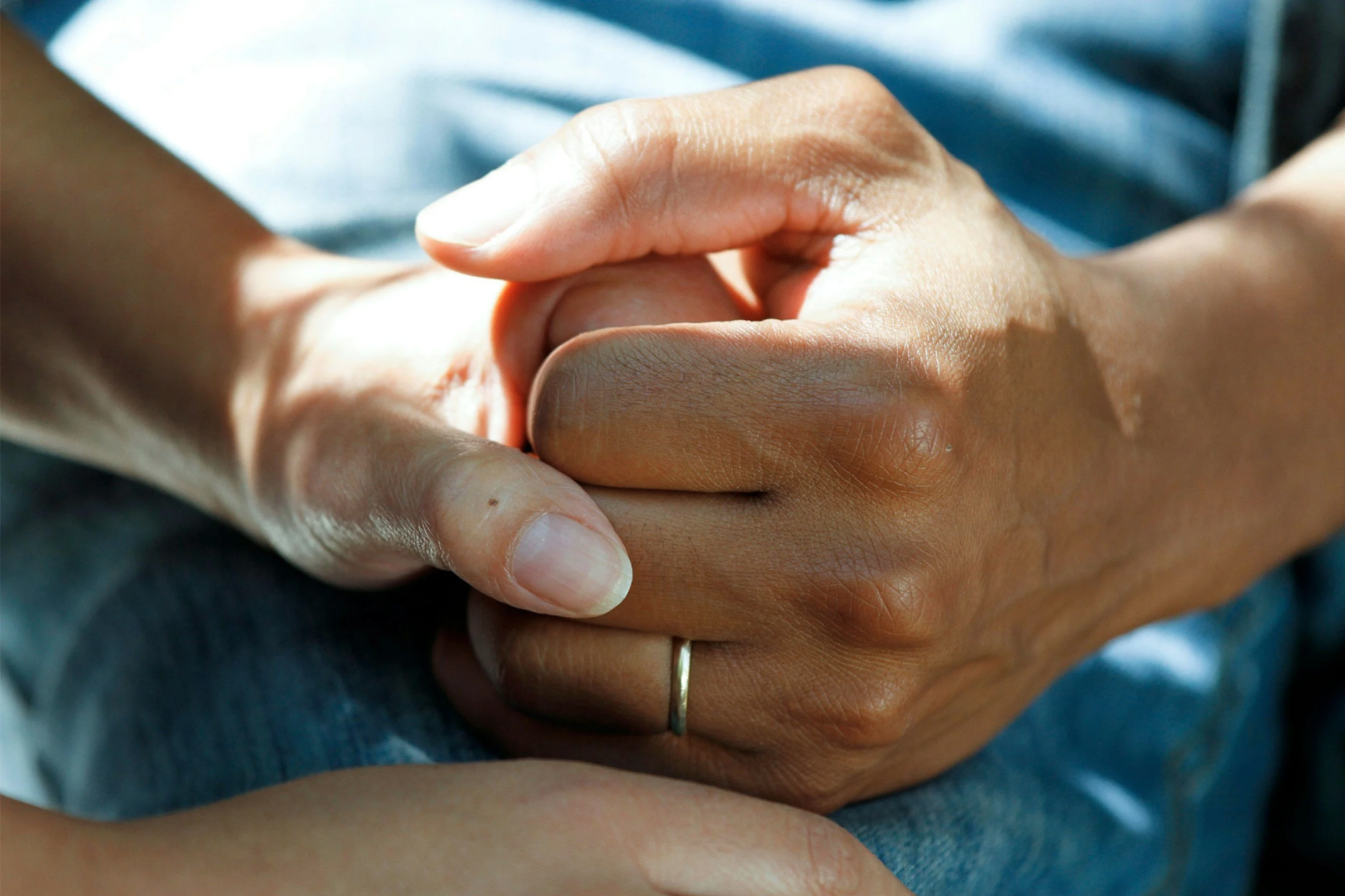
"The earlier integrative support begins, the more useful it tends to be. But there's no wrong time to start."
— Camille Hoffman, Integrative oncology naturopath
Support at Every Stage
-
Being told to "watch and wait" can be one of the hardest parts of a prostate cancer diagnosis. This window is a real opportunity: we use nutrition, movement, metabolic health and stress support to strengthen your overall health, so if treatment does become necessary, you meet it from a stronger starting point.
-
Treatment can change quickly, so support needs to keep pace. We start with nutrition and lifestyle to ease fatigue and hot flashes, protect muscle and bone during hormone therapy, and support bowel and bladder comfort during radiation. We then add key nutraceuticals only where they're needed and safe alongside your treatment.
Through COMPASS Care, my program for people in active treatment, we meet twice a month to review your progress and adjust your plan, with messaging support in between, for as long as treatment requires.
-
Recovery often means rebuilding strength and energy, supporting pelvic floor, bladder and sexual health, and protecting bone, heart and metabolic health. Exercise is especially valuable here, with strong evidence for reducing fatigue and preserving muscle and bone in men treated for prostate cancer.
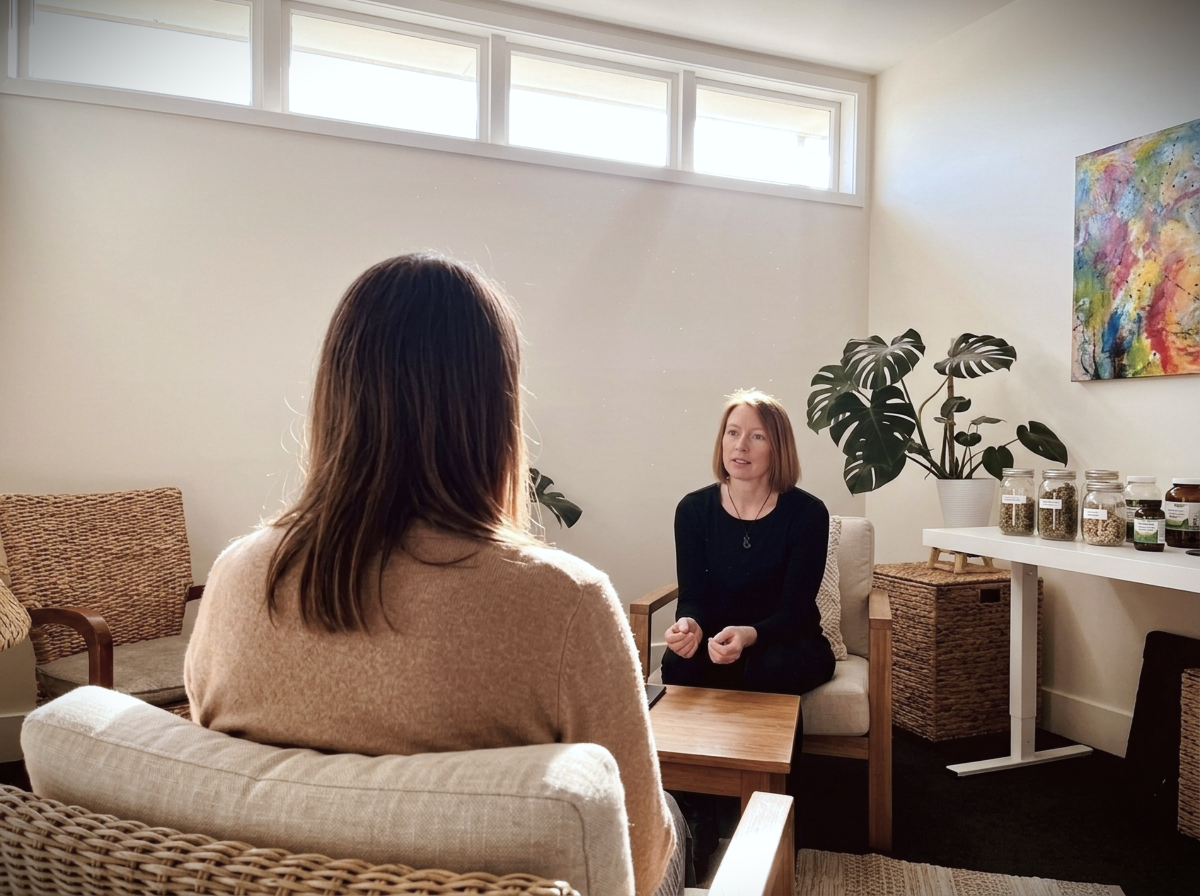

Testing That Guides Your Plan
Testing shows us what's happening in real time. For men's cancers, this often includes metabolic markers such as fasting insulin, HbA1c and lipids, vitamin D, inflammatory markers, bone health markers, and nutrient status. We also track your PSA trends alongside your oncology team. Functional Testing & Monitoring explains what's involved.
How We Work Together
Ready to begin? Start by either booking a clarity call with me, or complete the new patient enquiry. If you already know you're ready, or want to get started sooner, book your first appointment HERE.
Our first full session is an hour, and I'll have reviewed your history and oncology reports beforehand. You receive your health plan the next day, followed by a 20-minute call to walk through it together. If you're in active treatment, COMPASS Care provides ongoing monthly support. You can see all options on the Work With Me page.
My job is to help your body tolerate treatment better, and come through the other side stronger. Nothing I do is meant to talk you out of chemo, radiation, surgery, or any medication your oncologist recommends.
Learn more about my approach HERE

Questions About Prostate & Testicular Cancer Support
-
Yes. Active surveillance is one of the best times to start. We focus on nutrition, movement, metabolic health and stress, which are all areas within your control, while your oncology team continues monitoring.
-
Yes. Resistance and aerobic exercise have strong evidence for reducing fatigue and protecting muscle and bone during androgen deprivation therapy. Nutrition helps manage weight gain and metabolic changes, and together these form the foundation of your plan.
-
No. I see patients across the full spectrum: those in active treatment, those between treatments, those in watchful waiting, those in survivorship rebuilding their health, and those focused on proactive risk reduction who have never had a cancer diagnosis. The approach and priorities shift depending on where you are, but integrative oncology is relevant at every stage.
-
It depends on your clinical picture, and what we're trying to find out.
But broadly, we might look at your hormone metabolism, nutrient status, inflammatory markers, or gut microbiome composition.
Sometimes it's as simple as blood tests you haven't had run before, or functional testing might include urine, hair, or stool testing you can do from home, no extra appointment required. Testing & Monitoring covers this in detail.
-
Yes. I work entirely online and see patients across New Zealand and the United States.
-
Oncologists vary. Many are increasingly familiar with integrative oncology and supportive of patients working with a practitioner who understands both the evidence and the interactions.
Some are neutral and some are skeptical, which is reasonable considering the volume of unsubstantiated claims in this space.
What I can tell you is that I work collaboratively, stay within my scope, and communicate clearly. If your oncologist has concerns, I'm happy to be part of that conversation.
-
Integrative oncology naturopathy is a specialized clinical focus. It requires detailed knowledge of cancer biology, oncology treatment protocols, drug-nutrient and drug-botanical interactions, and the evidence base specific to cancer care. A general naturopath may be excellent within their scope, but cancer care has specific considerations that require specific training and experience. This is my sole clinical focus.
This information is educational only and does not replace advice from your oncology or medical team. | Last reviewed by Camille Hoffman, September 2026
Join the mailing list
For occasional emails on the latest in integrative oncology research, breast health, and practical ways to build resilience