
Integrative Support for Lymphoma, Leukemia & Myeloma
Whether you're on watch and wait, in treatment, or recovering after a stem cell transplant, integrative oncology can help you feel stronger and stay more resilient.
I work alongside your oncology plan, using safe complimentary medicine, including nutrition, lifestyle techniques, botanical medicine, targeted supplementation and testing to optimize treatment, reduce treatment side effects and build resilience

Blood Cancers I Work With
Hodgkin lymphoma
Non-Hodgkin lymphoma (diffuse large B-cell, follicular, mantle cell, marginal zone and MALT lymphoma, Burkitt lymphoma and T-cell lymphomas)
Cutaneous T-cell lymphoma (mycosis fungoides)
Waldenström macroglobulinemia
Chronic lymphocytic leukemia (CLL) and small lymphocytic lymphoma (SLL)
Chronic myeloid leukemia (CML)
Acute myeloid leukemia (AML) and acute lymphoblastic leukemia (ALL)
Hairy cell leukemia
Multiple myeloma, smoldering myeloma and plasmacytoma
MGUS (monoclonal gammopathy of undetermined significance)
AL amyloidosis
Myelodysplastic syndromes (MDS)
Myeloproliferative neoplasms (polycythemia vera, essential thrombocythemia and myelofibrosis)
How Blood Cancers Affect the Whole Body
Blood cancers affect the immune system directly, so fatigue, infections and low blood counts are common, both from the cancer itself and from treatment. Many treatments also bring specific challenges: steroids can affect blood sugar, sleep, mood and bone health; some drugs cause neuropathy; and targeted therapies can interact with foods and supplements. Some blood cancers are managed over many years, so long-term resilience matters as much as getting through treatment.
My role is to look at the whole picture, including your immune health, energy, nutrition, metabolism and treatment plan, and build a plan that supports you through each stage.

"The earlier integrative support begins, the more useful it tends to be. But there's no wrong time to start."
— Camille Hoffman, Integrative oncology naturopath
Support at Every Stage
-
Many people with CLL, follicular lymphoma, smoldering myeloma or MGUS are monitored rather than treated straight away. Living with a diagnosis without treatment can be stressful, but this window is a real opportunity. We use nutrition, movement, sleep, stress support and metabolic health to strengthen your overall health, so if treatment does become necessary, you meet it from a stronger starting point.
-
Treatment can change quickly, so support needs to keep pace. We start with nutrition and lifestyle to ease fatigue, reduce infection risk with food safety and daily habits, and manage steroid side effects such as blood sugar and sleep changes. We then add key nutraceuticals only where they're needed and safe alongside your treatment.
Through COMPASS Care, my program for people in active treatment, we meet twice a month to review your progress and adjust your plan, with messaging support in between, for as long as treatment requires.
-
Recovery after chemotherapy, stem cell transplant or CAR-T therapy can take time. The focus is rebuilding energy, strength and immune resilience, supporting gut health, protecting bone and metabolic health, and helping you feel like yourself again.

Testing That Guides Your Plan
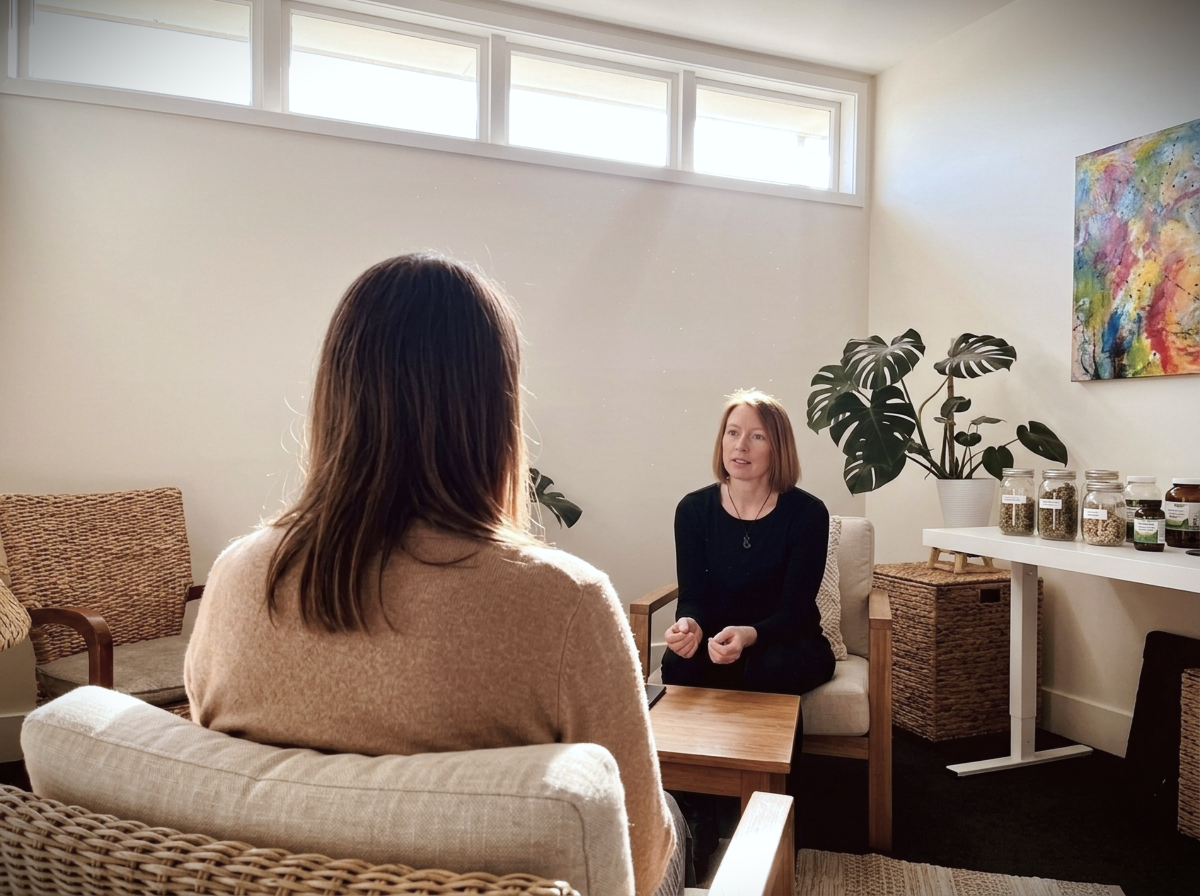
Testing shows us what's actually happening rather than guessing. For blood cancers, this often includes tracking your blood counts alongside your hematology team, plus vitamin D, B12 and folate, iron studies, blood sugar markers, bone health markers, inflammatory markers and gut microbiome testing where relevant. Functional Testing & Monitoring explains what's involved.
How We Work Together
Ready to begin? Start by either booking a clarity call with me, or complete the new patient enquiry. If you already know you're ready, or want to get started sooner, book your first appointment HERE.
Our first full session is an hour, and I'll have reviewed your history and oncology reports beforehand. You receive your health plan the next day, followed by a 20-minute call to walk through it together. If you're in active treatment, COMPASS Care provides ongoing monthly support. You can see all options on the Work With Me page.
My job is to help your body tolerate treatment better, and come through the other side stronger. Nothing I do is meant to talk you out of chemo, radiation, surgery, or any medication your oncologist recommends.
Learn more about my approach HERE

Questions About Blood Cancer Support
-
Yes. Watch and wait is one of the best times to start. We focus on nutrition, movement, sleep and stress, which are all areas within your control, while your hematology team continues monitoring.
-
Yes. Before a transplant, we focus on building your nutritional and physical reserves. Afterward, the focus shifts to rebuilding energy, gut health and immune resilience at a pace that suits your recovery.
-
No. I see patients across the full spectrum: those in active treatment, those between treatments, those in watchful waiting, those in survivorship rebuilding their health, and those focused on proactive risk reduction who have never had a cancer diagnosis. The approach and priorities shift depending on where you are, but integrative oncology is relevant at every stage.
-
It depends on your clinical picture, and what we're trying to find out.
But broadly, we might look at your hormone metabolism, nutrient status, inflammatory markers, or gut microbiome composition.
Sometimes it's as simple as blood tests you haven't had run before, or functional testing might include urine, hair, or stool testing you can do from home, no extra appointment required. Testing & Monitoring covers this in detail.
-
Yes. I work entirely online and see patients across New Zealand and the United States.
-
Oncologists vary. Many are increasingly familiar with integrative oncology and supportive of patients working with a practitioner who understands both the evidence and the interactions.
Some are neutral and some are skeptical, which is reasonable considering the volume of unsubstantiated claims in this space.
What I can tell you is that I work collaboratively, stay within my scope, and communicate clearly. If your oncologist has concerns, I'm happy to be part of that conversation.
-
Integrative oncology naturopathy is a specialized clinical focus. It requires detailed knowledge of cancer biology, oncology treatment protocols, drug-nutrient and drug-botanical interactions, and the evidence base specific to cancer care. A general naturopath may be excellent within their scope, but cancer care has specific considerations that require specific training and experience. This is my sole clinical focus.
This information is educational only and does not replace advice from your oncology or medical team. | Last reviewed by Camille Hoffman, September 2026
Join the mailing list
For occasional emails on the latest in integrative oncology research, breast health, and practical ways to build resilience