
Head, Neck & Thyroid Cancers
Whether you're on active surveillance, in treatment, or recovering afterward, I work alongside your oncology plan to help you feel stronger and stay more resilient.
My approach to integrative cancer care uses nutrition, lifestyle medicine and functional testing to optimize treatment and reduce symptoms. You can read more about me and my background here.
Head, Neck & Thyroid Cancers I Work With
Mouth and tongue cancer (oral cavity cancer)
Throat cancer, including tonsil and base of tongue (oropharyngeal cancer, including HPV-related)
Voice box cancer (laryngeal and hypopharyngeal cancer)
Nasopharyngeal cancer
Nasal cavity and sinus cancer
Salivary gland cancer
Thyroid cancer (papillary, follicular, oncocytic/Hürthle cell, medullary and anaplastic)
Low-risk thyroid cancer on active surveillance
What To Expect
Head and neck cancers affect some of the most basic parts of daily life: eating, swallowing, speaking and taste. Radiation can cause dry mouth, mouth sores and weight loss, so protecting your nutrition is often the top priority. Thyroid cancer usually means lifelong thyroid hormone, which can affect energy, weight, mood and bone health.
On active surveillance, we build your overall health and resilience. During treatment, we start with nutrition and lifestyle to ease side effects and protect your weight and strength. After treatment, we focus on rebuilding, restoring taste and eating comfort, and fine-tuning how you feel on thyroid hormone.


"The earlier integrative support begins, the more useful it tends to be. But there's no wrong time to start."
— Camille Hoffman, Integrative oncology naturopath
How I Can Help
I'm available. You can message me between sessions, not wait months for your next appointment.
I see the whole picture. I review your treatment, medications, bloodwork and scans together, so nothing falls through the cracks.
I help your treatment work for you. We focus on getting you through treatment with fewer side effects and more strength.
I help you feel better. Better energy, sleep, digestion and mood matter now, not just later.
For head, neck and thyroid cancers, that includes protecting your nutrition when eating is hard, and supporting your energy and bone health on thyroid hormone.
Not sure where to start? Book a clarity call, or complete the new patient enquiry. If you already know you're ready, or want to get started sooner, book your first appointment HERE.
If you're in active treatment, COMPASS Care provides ongoing monthly support. You can see all options on this booking page.
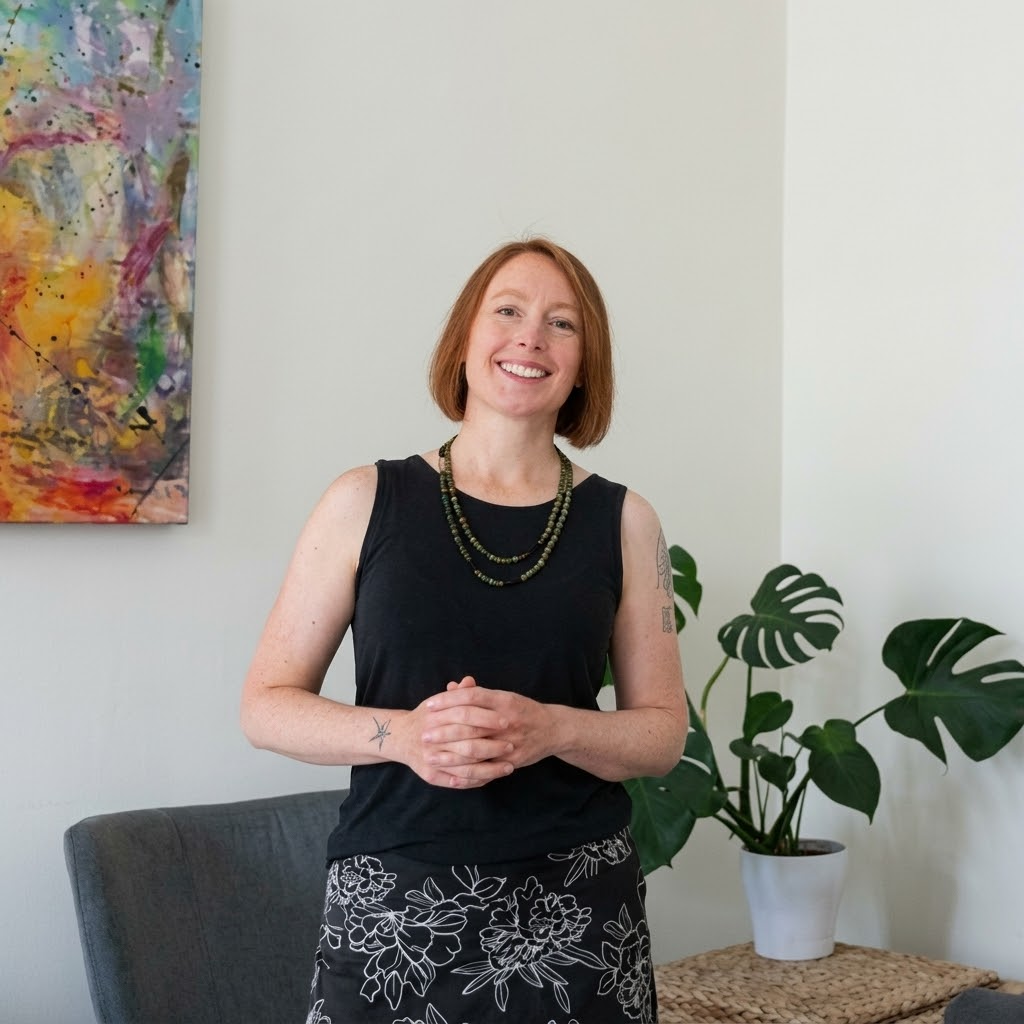
Camille Hoffman | Integrative Oncology Naturopath

Questions About Head, Neck & Thyroid Cancer
-
Yes. Many people with head and neck cancer need tube feeding for a while. I work alongside your dietitian to support your overall health, and to help you return to eating by mouth when you're ready.
-
Some are, and some aren't. Certain antioxidants may interfere with how radiation works, so I check everything against your treatment. Most people start with food first.
-
No. I see patients across the full spectrum: those in active treatment, those between treatments, those in watchful waiting, those in survivorship rebuilding their health, and those focused on proactive risk reduction who have never had a cancer diagnosis. The approach and priorities shift depending on where you are, but integrative oncology is relevant at every stage.
-
It depends on your clinical picture, and what we're trying to find out.
But broadly, we might look at your hormone metabolism, nutrient status, inflammatory markers, or gut microbiome composition.
Sometimes it's as simple as blood tests you haven't had run before, or functional testing might include urine, hair, or stool testing you can do from home, no extra appointment required. Testing & Monitoring covers this in detail.
-
Yes. I work entirely online and see patients across New Zealand and the United States.
-
Oncologists vary. Many are increasingly familiar with integrative oncology and supportive of patients working with a practitioner who understands both the evidence and the interactions.
Some are neutral and some are skeptical, which is reasonable considering the volume of unsubstantiated claims in this space.
What I can tell you is that I work collaboratively, stay within my scope, and communicate clearly. If your oncologist has concerns, I'm happy to be part of that conversation.
-
Integrative oncology naturopathy is a specialized clinical focus. It requires detailed knowledge of cancer biology, oncology treatment protocols, drug-nutrient and drug-botanical interactions, and the evidence base specific to cancer care. A general naturopath may be excellent within their scope, but cancer care has specific considerations that require specific training and experience. This is my sole clinical focus.
This information is educational only and does not replace advice from your oncology or medical team. | Last reviewed by Camille Hoffman, September 2026
Join the mailing list
For occasional emails on the latest in integrative oncology research, breast health, and practical ways to build resilience