Integrative Support for Brain Cancers & Brain Tumors
Whether you're on active surveillance, in treatment, or recovering afterward, I work alongside your oncology plan to help you feel stronger and stay more resilient.
My approach to integrative cancer care uses nutrition, lifestyle medicine and functional testing & monitoring to optimize treatment and reduce symptoms. You can read more about me and my background here.
I support people with brain and spinal cord tumors, including:
Glioblastoma (GBM)
Astrocytoma (including IDH-mutant astrocytoma)
Oligodendroglioma
Low-grade glioma
Ependymoma
Meningioma
Brain metastases (secondary brain tumors)
Primary CNS lymphoma
Pituitary tumors
Spinal cord tumors

Ways to Feel Stronger Through Brain Cancer Treatment
There’s more you can do to support your body during treatment than most people are told. Every plan I build is different, but here are a few of the places we often begin.
Keep blood sugar steady
Steroids such as dexamethasone often push blood sugar up. Research links steadier blood sugar during treatment with better outcomes, so it’s one of my first priorities.Protect your strength
Steroids can weaken muscles, especially in the legs. The right nutrition and gentle, regular movement help you hold on to strength and energy.Protect your sleep and focus
Steroids, worry and the tumor itself can affect sleep, memory and concentration. Small, targeted changes can make days clearer and nights easier.Check every supplement first
Some herbs and supplements interact with seizure medications and chemotherapy. I check everything you take, so you know what’s helping and what’s safe.
That’s just the beginning. Once I’ve reviewed your diagnosis, treatment plan and bloodwork, we can look at what’s specific to you. That might mean easing particular side effects, testing to find hidden gaps, or adding carefully chosen support at the right time in your treatment. The goal is simple: helping you feel as well as possible, and coming through treatment stronger.
If you’re in treatment now, COMPASS Cancer Care gives you ongoing support, with sessions every month and messaging in between.
"The earlier integrative support begins, the more useful it tends to be. But there's no wrong time to start."
— Camille Hoffman, Integrative oncology naturopath
How I Can Help
I'm available. You can message me between sessions, not wait months for your next appointment.
I see the whole picture. I review your treatment, medications, bloodwork and scans together, so nothing falls through the cracks.
I help your treatment work for you. We focus on getting you through treatment with fewer side effects and more strength.
I help you feel better. Better energy, sleep, digestion and mood matter now, not just later.
For brain cancers, that includes managing steroid side effects, supporting energy and focus, and making sure we're doing everything we safely can to give you the best possible outcome.
Ready to start? Your first session is an hour long, and I’ll have reviewed your history and oncology reports before we meet. You’ll receive your plan the next day.
Book your first session
Not sure yet? Book a clarity call, or complete the new patient enquiry.
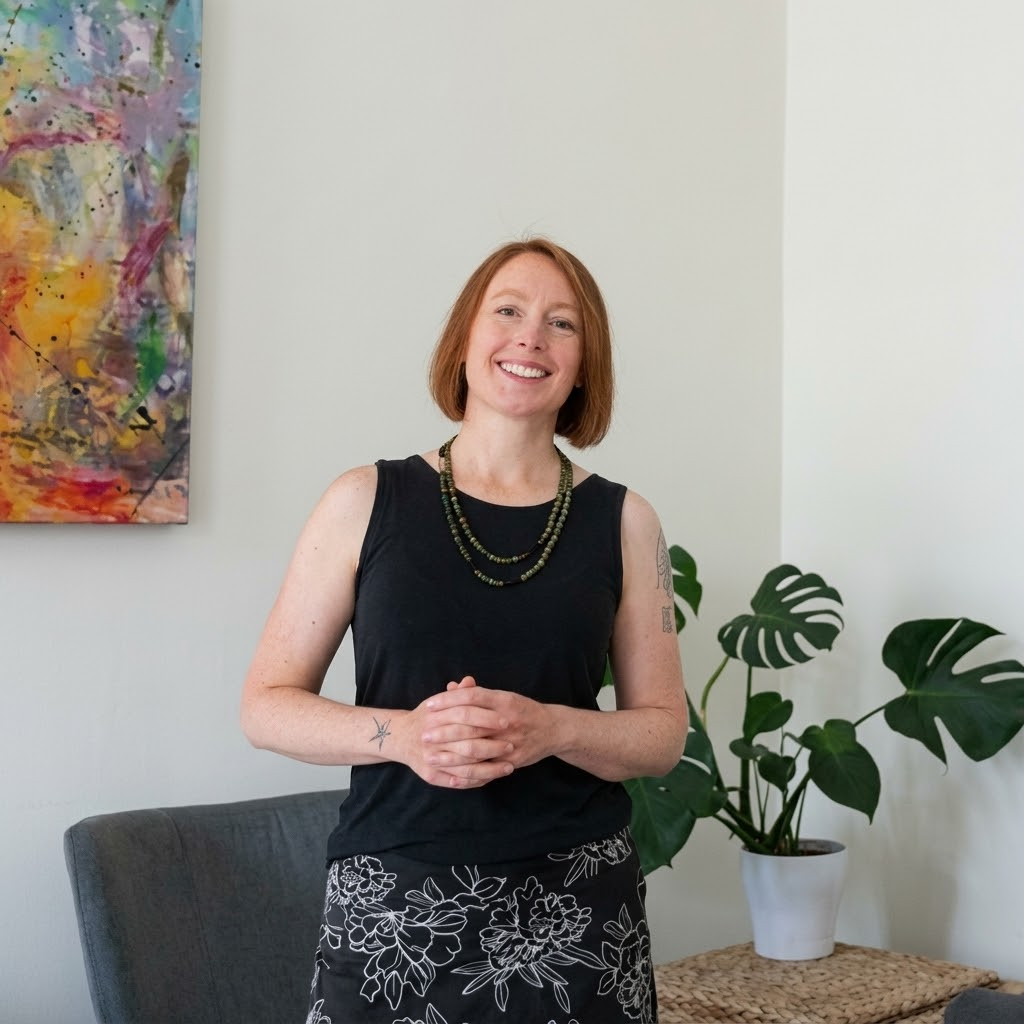
Camille Hoffman | Integrative Oncology Naturopath

Questions About Brain Cancer Support
-
It's an active area of research, especially for glioblastoma. Early studies show it can be safe with supervision, but benefits aren't yet proven, and it isn't right for everyone. If you're interested, we can look at whether it suits your situation and treatment.
-
Yes. We use nutrition, movement and sleep strategies to help manage high blood sugar, weight gain, muscle weakness and restless nights while you're on steroids.
-
Yes. Many people with brain tumors rely on a partner or family member to help manage their care. With your permission, they can join sessions and message me directly.
-
It depends on your clinical picture, and what we're trying to find out.
But broadly, we might look at your hormone metabolism, nutrient status, inflammatory markers, or gut microbiome composition.
Sometimes it's as simple as blood tests you haven't had run before, or functional testing might include urine, hair, or stool testing you can do from home, no extra appointment required. Testing & Monitoring covers this in detail.
-
Yes. I work entirely online and see patients across New Zealand and the United States.
-
Oncologists vary. Many are increasingly familiar with integrative oncology and supportive of patients working with a practitioner who understands both the evidence and the interactions.
Some are neutral and some are skeptical, which is reasonable considering the volume of unsubstantiated claims in this space.
What I can tell you is that I work collaboratively, stay within my scope, and communicate clearly. If your oncologist has concerns, I'm happy to be part of that conversation.
-
Integrative oncology naturopathy is a specialized clinical focus. It requires detailed knowledge of cancer biology, oncology treatment protocols, drug-nutrient and drug-botanical interactions, and the evidence base specific to cancer care. A general naturopath may be excellent within their scope, but cancer care has specific considerations that require specific training and experience. This is my sole clinical focus.
This information is educational only and does not replace advice from your oncology or medical team. Last reviewed by Camille Hoffman, October 2026
Join the mailing list
For occasional emails on the latest in integrative oncology research, and practical ways to build resilience