
Sleep Disorders

If you’ve made your way here, I’m betting you have probably already tried the obvious things. Blackout curtains, no screens before bed, magnesium, maybe even a sleep study. You might have been told everything looks normal, or that you just need to reduce your stress. And yet you still wake up exhausted, still crash by midafternoon, still lie awake at 3am with a racing mind.
If that's where you are, the problem almost certainly isn't your sleep habits, something deeper is driving it.
And yes, poor sleep causes fatigue, but low energy and fatigue from other root causes also disrupts sleep architecture, creating a cycle that is difficult to break without addressing both sides.
The Fatigue-Sleep Cycle
One of the most important and overlooked aspects of sleep-related fatigue is that the two conditions feed each other. Conditions like chronic viral infections, mold illness, dysautonomia, and adrenal dysfunction all disrupt the nervous system's ability to shift into the parasympathetic state needed for restorative sleep. At the same time, chronically poor sleep accelerates mitochondrial dysfunction, increases inflammatory cytokines, and dysregulates your circadian rhythms, which makes the underlying fatigue even worse.
This means that in many patients, treating insomnia or sleep apnea alone will not resolve the fatigue. The sleep disorder may be a symptom, not the primary cause. A thorough investigation of what is driving the nervous system dysregulation, hormonal disruption, or immune activation is often necessary before sleep genuinely improves.

Common Sleep Disorders I See in Clinical Practice
Insomnia is the most common presentation. Difficulty falling asleep, or waking at 2-4am and being unable to return to sleep. This pattern often points to blood sugar dysregulation, elevated cortisol, or an overactive nervous system and is frequently connected to adrenal dysfunction or underlying infection.
Sleep apnea and upper airway resistance syndrome are frequently underdiagnosed, particularly in people who are not obviously overweight. Oxygen deprivation overnight drives significant mitochondrial stress, morning headaches, and an inability to feel rested regardless of how many hours are spent in bed.
Circadian rhythm disruption, whether from shift work, travel, excessive screen exposure, or chronic illness, can impair melatonin production and prevent the deep restorative sleep stages where cellular repair occurs. This is particularly common in post-viral fatigue and Long COVID.
Restless leg syndrome and periodic limb movement disorder are worth investigating in patients with poor sleep quality, as both are linked to iron dysregulation and dopamine pathway dysfunction; two areas that functional testing can assess directly.
Other reasons you might not be sleeping well aren’t disorders, exactly. Chronic pain, emotional distress, anxiety, and unresolved trauma all activate the sympathetic nervous system and keep the body in a state of low-level alertness that makes deep, restorative sleep impossible. In clinical practice I also frequently see sleep disrupted by hormonal fluctuations due to perimenopause and menopause, which in addition to causing night sweats, can also cause early waking, and light disrupted sleep. Gut dysfunction is another underappreciated contributor: an imbalanced microbiome, intestinal permeability, or a gut infection can drive systemic inflammation and elevate inflammatory cytokines that directly interfere with sleep quality. Certain medications - like corticosteroids, beta blockers, SSRIs, and stimulant-based treatments - can also impair melatonin production or disrupt sleep architecture in ways that are rarely discussed at the time of prescribing. What all of these have in common is that they are not primary sleep disorders, but signals that something else in the body needs attention first.
What I Investigate and Address:
Rather than defaulting straight to sleep supplements, my approach is to understand what is driving the sleep disruption in the first place. Depending on your presentation, this may include functional testing, nervous system support, circadian rhythm regulation, herbal medicine, or targeted nutrient therapy, or a combination.
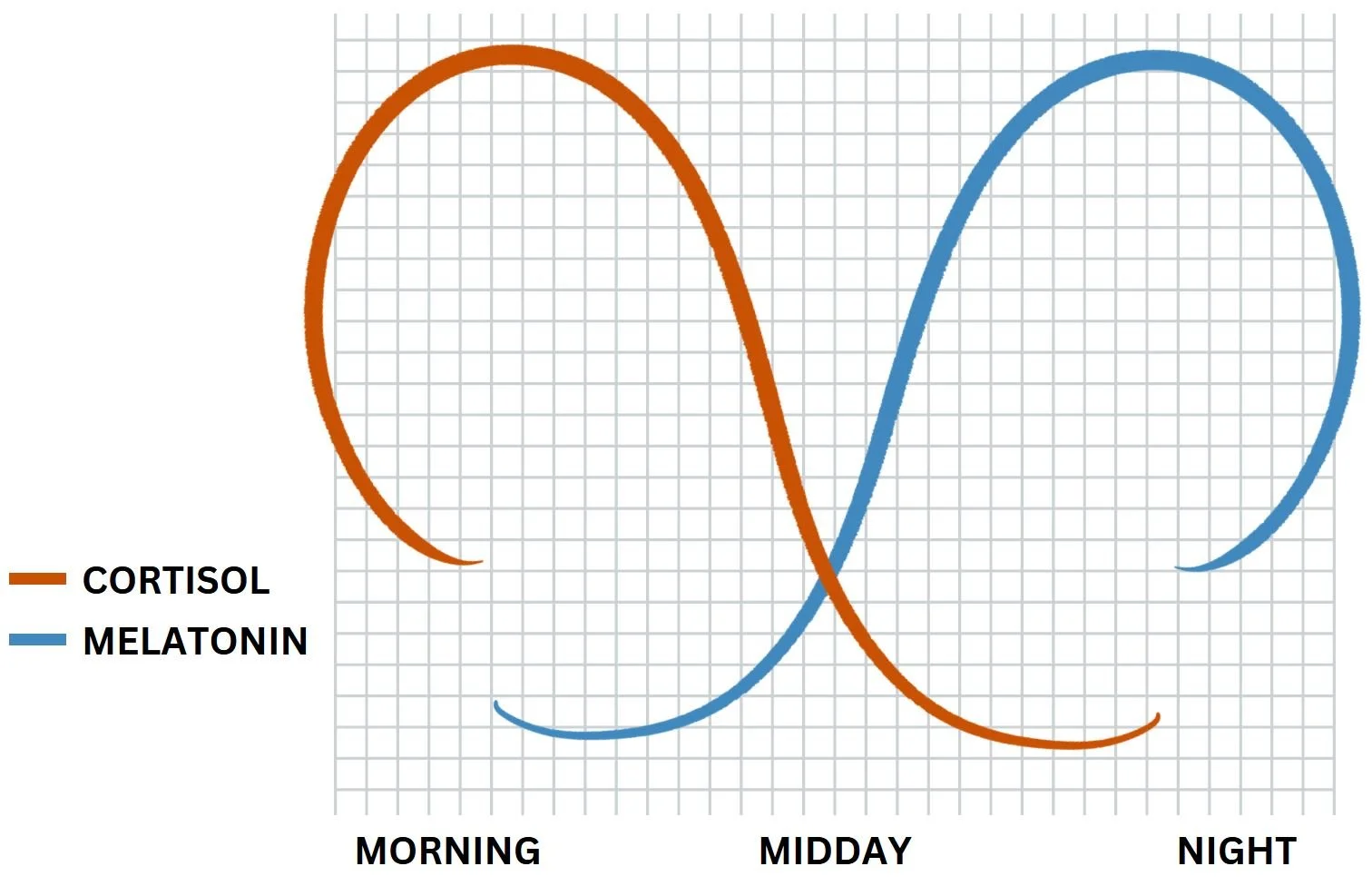
Testing is frequently the starting point. Assessing cortisol and melatonin patterns via the DUTCH test for women or men, blood sugar regulation, and key nutrient levels through a Functional Blood Chemistry Analysis can reveal the physiological reasons behind disrupted sleep that would otherwise go unaddressed.
Some things you can start on your own: A consistent sleep and wake time (even on weekends!) is one of the most effective tools for resetting circadian rhythm. Morning sunlight exposure within an hour of waking helps anchor your cortisol curve, boosts energy, and signals to your body when the day begins. Reducing artificial light and screen exposure in the two hours before bed supports melatonin production. Aromatherapy and magnesium glycinate before bed are well-tolerated by most people and support both relaxation and sleep quality.
Where it gets more individual is in understanding what is driving the disruption beneath the surface. Herbal adaptogens like Withania, Schisandra and Holy Basil can significantly support adrenal resilience and improve sleep quality, but the right herbs, doses and timing depend on your specific pattern. The same is true for addressing mouth breathing or sleep apnea, gut-driven inflammation, hormonal fluctuations, or an underlying infection. These require a thorough assessment before a protocol is worth building.
In practice, I regularly see patients who have been managing poor sleep for years. Sometimes with sleeping aids that take the edge off but never resolve anything, only to discover the real driver was something like an inverted cortisol curve, undetected blood sugar imbalances or an unresolved infection. Once that underlying issue is addressed, sleep often improves without any sleep-specific intervention at all.
If you have tried the basics and your sleep still isn't improving, that is usually a sign that something deeper needs investigating.


If this sounds like what you're experiencing, I'd love to help you find answers. I help people understand the real reasons behind their fatigue and gut health struggles, and build a clear path back to feeling well.
Using functional testing and a root cause approach, I work with patients whose symptoms have been dismissed or mismanaged by conventional medicine. Available online across New Zealand and the United States.
Book a free 15-minute discovery call or explore more ways to work with me HERE
Yours in health,
Camille Hoffman
Registered Clinical Nutritionist, Naturopath & Medical Herbalist
Fatigue & Gut Health Specialist | Practitioner Mentor
Online ~ NZ & US

BOOK YOUR FREE DISCOVERY CALL HERE
The views and nutrition, naturopathic and herbal recommendations expressed by Camille Hoffman and in Hoffman Natural Health’s programs, website, publications and newsletters, do not constitute a practitioner-patient relationship, are not intended to be a substitute for conventional medical service and are for informational purposes only. The statements and content found in these programs, website, publications and newsletters have not been evaluated by the Food and Drug Administration. The treatments described may have known and unknown side effects and health hazards. Each user is solely responsible for their own healthcare choices and decisions. Camille Hoffman advises the website user to discuss these ideas with a healthcare professional or physician before trying them. Camille Hoffman does not accept any responsibility for any positive or adverse effects a person claims to experience, directly or indirectly, from the ideas and contents of this website.